


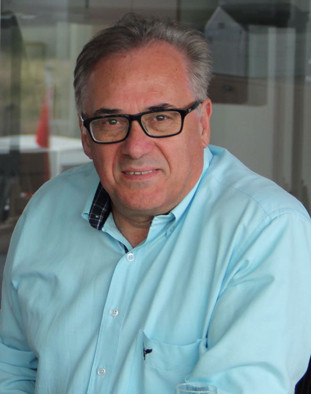
Dr. Halil DÖLEK
Köşe Yazarı
Dr. Halil DÖLEK
 

Doha’da Sonbahar: Gelenekle Modernliğin Buluştuğu Kent..

Doha’da Sonbahar: Gelenekle Modernliğin Buluştuğu Kent.. Katar’ın başkenti Doha, kültürel özgünlüğün modernlikle buluştuğu, kumun denizle kaynaştığı, insanların sanat, spor, iş ve tatil için bir araya geldiği bir şehir olarak tanımlanıyor. Mimari güzellikleri, cazibe merkezleri, bozulmamış çölleri, müzeleri ve doğal manzaralarıyla Doha, her yıl dünyanın dört bir yanından turistleri ağırlıyor. Özellikle sonbahar ayları, gündüz sıcaklıklarının düşmesi ve akşamları esintili havasıyla turistlerin en çok tercih ettiği dönemlerden biri. Geçmişten Günümüze Katar Doha ve genel anlamda Katar, 1940’larda petrol keşfinden önce inci ticaretiyle biliniyordu. Körfez’de dalgıçların denizden çıkardığı inciler Hindistan, İran ve Avrupa’ya ihraç ediliyor, ülkenin en önemli geçim kaynağını oluşturuyordu. 19. yüzyılın sonları ve 20. yüzyılın başlarında zirveye ulaşan bu ticaret, 1920’lerde kültür incilerinin piyasaya girmesiyle gerilemeye başladı. Petrolün keşfiyle ise Katar yeni bir zenginlik dönemine adım attı. Modern ve Düzenli Bir Başlangıç: Doha Havalimanı Doha Uluslararası Havalimanı, modern yapısı ve düzenli planlamasıyla dikkat çekiyor. Yolcular, terminalden çıktıklarında karmaşadan uzak, düzenli bir ulaşım alanıyla karşılaşıyor. Havalimanının şehir merkezine metro ile bağlanması da önemli bir kolaylık sağlıyor. Çukurova ve Antalya havalimanlarıyla karşılaştırıldığında Doha’nın çok daha uzun vadeli ve yüksek standart içeren bir planlamayla inşa edildiği hissediliyor. Güvenlik ve Temizlikte Öncü Olmak İsteyen Şehir Doha, dünyanın en güvenli şehirlerinden biri olarak gösteriliyor. Kamu hijyeni konusunda sıkı yasal düzenlemelere sahip. “Temiz Katar Programı” kapsamında billboardlarda şu sloganlara rastlamak mümkün: Kamu malına zarar vermeyin Çöplerinizi halka açık alanlara atmayın Daha temiz bir ülke için, Katar herkes içindir Ayrıca “Seni görüyoruz, yalnız değilsin” sloganıyla trafik ve çevre kirliliğine karşı kameralarla denetim yapılıyor. Keşke benzer uygulamaları Mersin ve çevresinde de görebilsek. Turizmin Yükselen Merkezi Katar, yer altı kaynaklarının bir gün tükeneceği bilinciyle yatırımlarını geleceğe yöneltiyor. Bu vizyonun önemli bir ayağı turizm. Doha’da İngilizce neredeyse her alanda kullanılan ortak dil. Lüks oteller, dünya mutfaklarından örnekler sunan zincir restoranlar ve alışveriş merkezleri şehri cazip kılıyor. Otellerde alkol servisi serbestken şehirdeki lokantaların bunun için özel lisans alması gerekiyor. Şunu da eklemek gerekiyor: Katar tatil için ucuz bir ülke değil. Konaklama, yeme ve içme fiyatları yüksek dolayısıyla burada tatil yapmak için belli bir bütçeyi gözden çıkarmak gerekir!  Şehrin öne çıkan cazibe merkezlerinden bazıları: Corniche: Körfez boyunca uzanan 7 kilometrelik yürüyüş yolu, Doha’nın modern silüetini gözler önüne seriyor. The Pearl Island ( İnci Adası) Yapay bir ada üzerinde konumlanan lüks yaşam alanı; marinaları, konut kuleleri, villaları ve alışveriş caddeleriyle şehrin en prestijli bölgelerinden biri. Souq Waqif ( Tarihi Çarşı): Geleneksel kıyafetler, baharatlar ve el sanatlarıyla dolu sokaklarıyla turistlere Katar’ın kültürel dokusunu yaşatıyor. Akşamları uygun fiyatlı restoran ve kafeleriyle canlı bir atmosfer sunuyor. Katar Ulusal Müzesi: Fransız mimar Jean Nouvel’in “çöl gülü” formundan esinlenerek tasarladığı yapı, Katar’ın tarihine ve geleceğine ışık tutuyor. Müze, Osmanlı’dan İngiliz sömürge yönetimine, bağımsızlık sürecinden günümüze uzanan tarihsel kesitleri ziyaretçilere aktarıyor. Katar’ın Tarihinde Osmanlı İzleri Katar’ın geçmişine ışık tutan müze kayıtlarına göre, Osmanlı İmparatorluğu ülkenin tarihinde önemli bir rol oynamıştır. 1546 yılında Osmanlılar, Körfez bölgesini Portekizlilerden alarak bölgedeki hâkimiyetlerini pekiştirmiştir. Ancak ilerleyen yıllarda Asya ticaret yollarını kontrol eden İngilizler ve İspanyolların etkisi artmış, 1670 itibarıyla Osmanlı ve Portekiz’in bölgedeki nüfuzu azalmıştır. 1868 yılında Katar Şeyhi Muhammed bin Thani ile Osmanlı arasında yaşanan anlaşmazlık, Vajbah Savaşı’na yol açmış ve Katar bu çatışmadan galip çıkmış. Sonraki süreçte Şeyh Thani, bölgede yaşanan siyasi değişimlere karşı Katar’ı savunmak amacıyla Osmanlı’dan yardım talep etmiş.  Bu çağrı üzerine Osmanlı, 1871 yılında Katar’a askeri destek göndermiş ve yaklaşık 30 askerden oluşan küçük bir garnizon kurarak egemenliğini sembolik olarak devam ettirmiş.  1913 yılına gelindiğinde Osmanlı’nın bölgedeki gücü iyice zayıflamış, İngiliz ve Osmanlı hükümetleri arasında yapılan anlaşmayla Osmanlılar Katar’dan çekilmiş ve egemenlik iddialarından resmen vazgeçmiş. Bu gelişme, Osmanlı’nın Katar’daki varlığının sonunu simgelemiş.  Yarım asır sonra, 1968 yılında İngiltere’nin Körfez bölgesindeki protektorat (koruyucu) statüsünden çekileceğini açıklamasıyla yeni bir dönem başlamış. Nihayetinde, 1971 yılında Katar bağımsızlığını ilan ederek egemen bir devlet haline gelmiş. Katar’ın Bugünü Yaklaşık 2,8 milyon nüfusa sahip Katar’da yerel halk toplam nüfusun yalnızca %15’ini oluşturuyormuş. 100’den değişik ülkeden Katar’a çalışmak için gelenlerin  bir arada yaşadığı ülkede okuryazarlık oranı %97 oranındaymış. Çocukların ve gençlerin batı standartlarında eğitim almaları devletin öncelikleri arasında yer alıyormuş. Sonuç : İnci ticaretinden petrol zenginliğine, geleneksel pazarlardan modern gökdelenlere uzanan serüveniyle Katar, bugün dünyanın en dinamik ve zengin ülkelerinden biri. Doha ise bu dönüşümün kalbinde, hem geçmişin izlerini hem de geleceğin vizyonunu taşıyan bir şehir. Kişisel İzlenimlerim: Doha’da Geleceğe Açılan Kapı.  Doha’da geçirdiğim günlerde en çok dikkatimi çeken unsurların başında şehrin düzeni ve güvenliği geliyor. Havalimanından müzelere, sahil şeridinden çarşılara kadar her noktada planlı bir gelişimin izlerini görmek mümkün. Kentin mimari dokusu ve altyapısı, modernleşme sürecinin bilinçli bir şekilde yürütüldüğünü gösteriyor. Doha’yı Mersin ile kıyasladığımda, şehircilik anlayışı ve turizm vizyonu açısından aradaki farkı net biçimde görebiliyorum. Katar’ın başkenti yalnızca bir turizm destinasyonu olmanın ötesinde; aynı zamanda geleceğe hazırlanan, kaynaklarını stratejik biçimde değerlendiren bir model sunuyor. Bu vizyoner yaklaşım bana Dubai Emiri Şeyh Muhammed bin Raşid Al Maktum’un 2016 yılında kaleme aldığı Benim Vizyonum adlı kitabını hatırlattı. Kitapta, Birleşik Arap Emirlikleri’nin geleceğe dair hedefleri etkileyici bir biçimde anlatılıyor. Bu perspektifin bölge genelinde ilham verici bir örnek teşkil ettiğine inanıyorum. Daha önce de belirttiğim gibi, Doha ucuz bir şehir değil. Yaşam standartları yüksek ve para birimi oldukça değerli. Lüks otellerde, seçkin yerleşim bölgelerinde ve deniz kıyısındaki restoranlarda yemek yemek pahalı. Ancak tarihi çarşı içindeki lokantalarda bütçeye uygun seçenekler bulunabiliyor. Alışveriş merkezlerinde her türlü marka ürünü bulmak mümkün. Fiyatlar Doha’da yaşayanlar için belki uygun olabilir; ancak Katar Riyali başka para birimlerine çevrildiğinde turistler için yüksek rakamlar ortaya çıkabiliyor. Birkaç devasa süpermarketi gezdim. Sebze ve meyvelerin çoğu Mısır, Güney Afrika, İspanya ve Fas gibi ülkelerden ithal ediliyor. Türkiye’den ithal olarak sadece karpuz görebildim. Mersin ve Doha: Vizyonun Gücü Katar’ın yüzölçümü yaklaşık 11 bin km² , Mersin’in yüzölçümü 16 bin km². Yapay zekaya sordum; Katar’da kişi başı gelir yaklaşık 70 bin USD iken Mersin’de bu rakam tahminen 10 bin USD civarında. Kıyaslama yaptığımda, şahsi gözlemim Mersin’in iklimi ve sunduğu potansiyel çok çok daha yüksek. Ancak bizde eksik olan şey “vizyon”. Güzelim sahillerimizi , yaylalarımızı ve yeşil doğamızı çöplüğe çevirdiğimiz, çarpık kentleşmeye feda ettiğimiz için elimizdeki kıymetlerin değerini bilemiyoruz.     Article in English   Autumn in Doha: A City Where Tradition Meets Modernity   Doha, the capital of Qatar, is often described as a city where cultural authenticity blends seamlessly with modernity, where sand meets the sea, and where people gather for art, sports, business, and leisure. With its architectural beauty, attractions, pristine deserts, museums, and natural landscapes, Doha welcomes tourists from all over the world each year. Autumn, in particular, is one of the most preferred seasons, with milder daytime temperatures and breezy evenings.   From Pearls to Petroleum: Qatar’s Journey   Before the discovery of oil in the 1940s, Doha and Qatar in general was known for its pearl trade. Divers in the Gulf harvested pearls that were exported to India, Iran, and Europe, forming the backbone of the country’s economy. This trade peaked in the late 19th and early 20th centuries but began to decline in the 1920s with the emergence of cultured pearls. The discovery of oil marked the beginning of a new era of prosperity for Qatar.   A Modern Gateway: Doha International Airport   Doha International Airport stands out with its modern design and well-organized infrastructure. Upon exiting the terminal, passengers encounter a clean and orderly transportation system. The airport’s connection to the city center via metro adds significant convenience. Compared to airports like Çukurova and Antalya, Doha’s airport reflects long-term planning and high standards.   A City Committed to Safety and Cleanliness   Doha is considered one of the safest cities in the world, with strict public hygiene regulations. Under the “Clean Qatar Program,” billboards display slogans such as:   • Do not damage public property • Do not litter in public spaces • For a cleaner country, Qatar is for everyone   Additionally, the slogan “We see you, you’re not alone” reflects the city’s use of surveillance cameras to monitor traffic and environmental violations. One can only wish for similar initiatives in cities like Mersin.   A Rising Tourism Hub   Aware that its underground resources may one day be depleted, Qatar is investing heavily in its future tourism being a key pillar of this vision. English is widely spoken throughout Doha. Luxury hotels, international restaurant chains, and shopping malls make the city attractive to visitors. While alcohol is served freely in hotels, restaurants must obtain special licenses. It’s worth noting: Qatar is not a budget-friendly destination. Accommodation, food, and drink prices are high, so travelers should plan accordingly.   Highlights of the City   • Corniche: A 7-kilometer promenade along the Gulf offering stunning views of Doha’s skyline. • The Pearl Island: A luxurious artificial island featuring marinas, residential towers, villas, and shopping streets—one of the city’s most prestigious areas. • Souq Waqif: A historic market with streets filled with traditional clothing, spices, and handicrafts. In the evenings, it comes alive with affordable restaurants and cafés. • National Museum of Qatar: Designed by French architect Jean Nouvel, inspired by the “desert rose” formation. The museum sheds light on Qatar’s history and future, covering periods from Ottoman rule to British colonialism and independence.   Ottoman Footprints in Qatar’s History   Museum records reveal the significant role of the Ottoman Empire in Qatar’s past. In 1546, the Ottomans took control of the Gulf region from the Portuguese, strengthening their dominance. However, by 1670, the influence of the Ottomans and Portuguese waned as the British and Spanish gained control over Asian trade routes.   In 1868, a dispute between Sheikh Mohammed bin Thani of Qatar and the Ottomans led to the Battle of Al Wajbah, which Qatar won. Subsequently, Sheikh Thani sought Ottoman support to defend Qatar amid regional political shifts. In response, the Ottomans sent military aid in 1871, establishing a symbolic garrison of about 30 soldiers.   By 1913, Ottoman power in the region had significantly weakened. An agreement between the British and Ottoman governments led to the Ottomans’ withdrawal from Qatar and the formal renunciation of their sovereignty claims marking the end of Ottoman presence in the country.   Half a century later, in 1968, Britain announced its withdrawal from its protectorate status in the Gulf, ushering in a new era. In 1971, Qatar declared independence and became a sovereign state.   Qatar Today   With a population of approximately 2.8 million, native Qataris make up only about 15% of the total. People from over 100 countries live and work in Qatar, where the literacy rate stands at 97%. Providing Western-standard education for children and youth is among the government’s top priorities.   Conclusion: A Nation of Transformation   From pearl diving to oil wealth, from traditional markets to modern skyscrapers, Qatar has become one of the world’s most dynamic and affluent nations. At the heart of this transformation lies Doha, a city that carries both the legacy of the past and the vision of the future.   Personal Reflections: Doha, A Gateway to the Future   During my time in Doha, what struck me most was the city’s order and safety. From the airport to museums, from the coastline to the markets, one can clearly see the traces of planned development. The architectural texture and infrastructure reflect a conscious modernization process.   When I compare Doha to Mersin, the difference in urban planning and tourism vision becomes evident. Qatar’s capital is not just a tourist destination, it’s a model of strategic resource management and future-oriented development.   This visionary approach reminded me of „My Vision” , a book written in 2016 by Dubai’s ruler Sheikh Mohammed bin Rashid Al Maktoum. The book compellingly outlines the UAE’s future goals, and I believe it serves as an inspiring example for the entire region.   As I’ve mentioned before, Doha is not a cheap city. The standard of living is high, and the currency is strong. Dining at luxury hotels, upscale neighborhoods, or seaside restaurants is expensive. However, budget-friendly options can be found in the historic market area ( Souq Waqif).    Shopping malls offer a wide range of branded products. Prices may be reasonable for residents, but when converted from Qatari Riyals to other currencies, they can be daunting for tourists.   I visited several massive supermarkets. Most fruits and vegetables are imported from countries like Egypt, South Africa, Spain, and Morocco. From Türkiye, I only saw watermelons.   Doha and Mersin: A Tale of Vision   Qatar’s land area is about 11,000 km², while Mersin’s is 16,000 km². According to AI data, Qatar’s per capita income is around $70,000, whereas Mersin’s is estimated at $10,000. Based on my observations, Mersin has a far greater climate and natural potential. What we have is the lack of vision. We’ve sacrificed our beautiful beaches, plateaus, and green landscapes to chaotic urbanization, pollution and mountain of rubbish to recognize the true value of what we have.     Artikel in Deutsch   Herbst in Doha: Eine Stadt, in der Tradition auf Moderne trifft   Doha, die Hauptstadt von Katar, wird oft als eine Stadt beschrieben, in der kulturelle Authentizität nahtlos mit moderner Lebensweise verschmilzt, wo Sand auf Meer trifft und Menschen für Kunst, Sport, Geschäft und Erholung zusammenkommen. Mit ihrer architektonischen Schönheit, ihren Sehenswürdigkeiten, unberührten Wüsten, Museen und natürlichen Landschaften empfängt Doha jedes Jahr Touristen aus aller Welt. Besonders der Herbst gilt als eine der beliebtesten Reisezeiten mit angenehmen Tagestemperaturen und frischen Abendbrisen.   Von Perlen zu Petroleum: Katars Weg   Vor der Entdeckung von Erdöl in den 1940er Jahren war Doha und Katar im Allgemeinen  für den Perlenhandel bekannt. Taucher im Golf förderten Perlen, die nach Indien, Iran und Europa exportiert wurden und die wirtschaftliche Grundlage des Landes bildeten. Dieser Handel erreichte seinen Höhepunkt im späten 19. und frühen 20. Jahrhundert, begann jedoch in den 1920er Jahren mit dem Aufkommen von Zuchtperlen zu schwinden. Die Entdeckung von Erdöl markierte den Beginn einer neuen Ära des Wohlstands für Katar.   Ein modernes Tor: Der Internationale Flughafen Doha   Der Internationale Flughafen Doha beeindruckt durch sein modernes Design und seine gut organisierte Infrastruktur. Nach dem Verlassen des Terminals erwartet die Reisenden ein sauberes und geordnetes Verkehrssystem. Die Anbindung des Flughafens an das Stadtzentrum per Metro bietet zusätzlichen Komfort. Im Vergleich zu Flughäfen wie Çukurova oder Antalya spürt man in Doha eine langfristige Planung und hohe Standards.   Eine Stadt mit Engagement für Sicherheit und Sauberkeit   Doha gilt als eine der sichersten Städte der Welt und verfügt über strenge Vorschriften zur öffentlichen Hygiene. Im Rahmen des „Clean Qatar Programms“ finden sich auf Werbetafeln Slogans wie:   • Beschädigen Sie kein öffentliches Eigentum • Werfen Sie keinen Müll in öffentliche Bereiche • Für ein saubereres Land – Katar gehört allen   Zusätzlich wird mit dem Slogan „Wir sehen dich – du bist nicht allein“ auf die Überwachung durch Kameras hingewiesen, die Verkehrs- und Umweltverstöße dokumentieren. Man wünscht sich ähnliche Initiativen auch in Städten wie Mersin.   Ein aufstrebendes Zentrum des Tourismus   Im Bewusstsein, dass die natürlichen Ressourcen eines Tages erschöpft sein könnten, investiert Katar stark in seine Zukunft  wobei der Tourismus eine zentrale Rolle spielt. Englisch ist in Doha nahezu überall verbreitet. Luxushotels, internationale Restaurantketten und Einkaufszentren machen die Stadt für Besucher attraktiv. Während in Hotels Alkohol problemlos ausgeschenkt wird, benötigen Restaurants dafür spezielle Lizenzen. Wichtig zu wissen: Katar ist kein günstiges Reiseziel. Unterkunft, Essen und Getränke sind teuer  wer hier Urlaub machen möchte, sollte ein entsprechendes Budget einplanen.   Sehenswürdigkeiten der Stadt   • Corniche: Eine 7 Kilometer lange Promenade entlang des Golfs mit beeindruckendem Blick auf Dohas Skyline. • The Pearl Island: Eine luxuriöse künstliche Insel mit Yachthäfen, Wohnhochhäusern, Villen und Einkaufsstraßen  eine der prestigeträchtigsten Gegenden der Stadt. • Souq Waqif: Ein historischer Markt mit Gassen voller traditioneller Kleidung, Gewürze und Handwerkskunst. Abends belebt sich die Atmosphäre mit preiswerten Restaurants und Cafés. • Nationalmuseum von Katar: Entworfen vom französischen Architekten Jean Nouvel, inspiriert von der Form der „Wüstenrose“. Das Museum beleuchtet Katars Geschichte und Zukunft  von der osmanischen Herrschaft über die britische Kolonialzeit bis zur Unabhängigkeit.   Osmanische Spuren in Katars Geschichte   Museumsdokumente zeigen die bedeutende Rolle des Osmanischen Reiches in Katars Vergangenheit. Im Jahr 1546 übernahmen die Osmanen die Kontrolle über die Golfregion von den Portugiesen und festigten ihre Macht. Doch bis 1670 nahm ihr Einfluss ab, als Briten und Spanier die Handelsrouten in Asien dominierten.   1868 führte ein Konflikt zwischen Scheich Mohammed bin Thani und den Osmanen zur Schlacht von Al Wajbah, die Katar für sich entschied. Danach bat Scheich Thani die Osmanen um Unterstützung, um Katar angesichts politischer Umbrüche zu verteidigen. 1871 entsandten die Osmanen daraufhin militärische Hilfe und errichteten ein symbolisches Garnison mit etwa 30 Soldaten.   1913 war die osmanische Macht in der Region stark geschwächt. Ein Abkommen zwischen den Briten und Osmanen führte zum Rückzug der Osmanen aus Katar und zur offiziellen Aufgabe ihrer Souveränitätsansprüche  das Ende der osmanischen Präsenz im Land.   Ein halbes Jahrhundert später, 1968, kündigte Großbritannien den Rückzug aus seinem Protektoratsstatus im Golf an. 1971 erklärte Katar seine Unabhängigkeit und wurde ein souveräner Staat.   Katar heute   Mit rund 2,8 Millionen Einwohnern machen die einheimischen Katarer nur etwa 15 % der Gesamtbevölkerung aus. Menschen aus über 100 Ländern leben und arbeiten in Katar, wo die Alphabetisierungsrate bei 97 % liegt. Die Bereitstellung westlich geprägter Bildung für Kinder und Jugendliche gehört zu den obersten Prioritäten der Regierung.   Fazit: Ein Land im Wandel   Vom Perlentauchen zum Ölreichtum, von traditionellen Märkten zu modernen Wolkenkratzern  Katar hat sich zu einem der dynamischsten und wohlhabendsten Länder der Welt entwickelt. Im Zentrum dieses Wandels steht Doha, eine Stadt, die sowohl das Erbe der Vergangenheit als auch die Vision der Zukunft trägt.   Persönliche Eindrücke: Doha – Ein Tor zur Zukunft   Während meiner Zeit in Doha fiel mir besonders die Ordnung und Sicherheit der Stadt auf. Vom Flughafen über Museen bis hin zur Küste und den Märkten überall sind die Spuren geplanter Entwicklung sichtbar. Architektur und Infrastruktur zeugen von einem bewussten Modernisierungsprozess.   Vergleiche ich Doha mit Mersin, wird der Unterschied in Stadtplanung und touristischer Vision deutlich. Katars Hauptstadt ist nicht nur ein Reiseziel, sondern ein Modell für strategisches Ressourcenmanagement und zukunftsorientierte Entwicklung.   Dieser visionäre Ansatz erinnerte mich an das Buch „My Vision“ von Scheich Mohammed bin Rashid Al Maktoum, Herrscher von Dubai, das 2016 veröffentlicht wurde. Es beschreibt eindrucksvoll die Zukunftsziele der Vereinigten Arabischen Emirate und dient meiner Meinung nach als inspirierendes Beispiel für die gesamte Region.   Wie bereits erwähnt, ist Doha keine günstige Stadt. Der Lebensstandard ist hoch, die Währung stark. Essen in Luxushotels, gehobenen Vierteln oder am Meer ist teuer. Doch im historischen Marktviertel „Souq Waqif“ gibt es auch preiswerte Alternativen.   In den Einkaufszentren findet man eine breite Auswahl an Markenprodukten. Für Einheimische mögen die Preise angemessen sein, doch bei Umrechnung in andere Währungen können sie für Touristen abschreckend wirken.   Ich habe mehrere riesige Supermärkte besucht. Die meisten Obst- und Gemüsesorten stammen aus Ländern wie Ägypten, Südafrika, Spanien und Marokko. Aus der Türkei habe ich lediglich Wassermelonen gesehen.   Doha und Mersin: Eine Geschichte der Vision   Katars Fläche beträgt etwa 11.000 km², Mersins rund 16.000 km². Laut KI-Daten liegt das Pro-Kopf-Einkommen in Katar bei etwa 70.000 USD, in Mersin schätzungsweise bei 10.000 USD. Nach meinen Beobachtungen bietet Mersin ein deutlich besseres Klima und großes natürliches Potenzial. Was fehlt, ist die Vision. Wir haben unsere wunderschönen Strände, Hochplateaus und grünen Landschaften einer chaotischen Urbanisierung, Umweltverschmutzung und Müllbergen geopfert und erkennen den wahren Wert dessen, was wir besitzen, nicht.  
Ekleme Tarihi: 08 Ekim 2025 -Çarşamba

Doha’da Sonbahar: Gelenekle Modernliğin Buluştuğu Kent..

Doha’da Sonbahar: Gelenekle Modernliğin Buluştuğu Kent..

Katar’ın başkenti Doha, kültürel özgünlüğün modernlikle buluştuğu, kumun denizle kaynaştığı, insanların sanat, spor, iş ve tatil için bir araya geldiği bir şehir olarak tanımlanıyor. Mimari güzellikleri, cazibe merkezleri, bozulmamış çölleri, müzeleri ve doğal manzaralarıyla Doha, her yıl dünyanın dört bir yanından turistleri ağırlıyor. Özellikle sonbahar ayları, gündüz sıcaklıklarının düşmesi ve akşamları esintili havasıyla turistlerin en çok tercih ettiği dönemlerden biri.

Geçmişten Günümüze Katar

Doha ve genel anlamda Katar, 1940’larda petrol keşfinden önce inci ticaretiyle biliniyordu. Körfez’de dalgıçların denizden çıkardığı inciler Hindistan, İran ve Avrupa’ya ihraç ediliyor, ülkenin en önemli geçim kaynağını oluşturuyordu. 19. yüzyılın sonları ve 20. yüzyılın başlarında zirveye ulaşan bu ticaret, 1920’lerde kültür incilerinin piyasaya girmesiyle gerilemeye başladı. Petrolün keşfiyle ise Katar yeni bir zenginlik dönemine adım attı.

Modern ve Düzenli Bir Başlangıç: Doha Havalimanı

Doha Uluslararası Havalimanı, modern yapısı ve düzenli planlamasıyla dikkat çekiyor. Yolcular, terminalden çıktıklarında karmaşadan uzak, düzenli bir ulaşım alanıyla karşılaşıyor. Havalimanının şehir merkezine metro ile bağlanması da önemli bir kolaylık sağlıyor. Çukurova ve Antalya havalimanlarıyla karşılaştırıldığında Doha’nın çok daha uzun vadeli ve yüksek standart içeren bir planlamayla inşa edildiği hissediliyor.

Güvenlik ve Temizlikte Öncü Olmak İsteyen Şehir

Doha, dünyanın en güvenli şehirlerinden biri olarak gösteriliyor. Kamu hijyeni konusunda sıkı yasal düzenlemelere sahip. “Temiz Katar Programı” kapsamında billboardlarda şu sloganlara rastlamak mümkün:

  • Kamu malına zarar vermeyin
  • Çöplerinizi halka açık alanlara atmayın
  • Daha temiz bir ülke için, Katar herkes içindir

Ayrıca “Seni görüyoruz, yalnız değilsin” sloganıyla trafik ve çevre kirliliğine karşı kameralarla denetim yapılıyor. Keşke benzer uygulamaları Mersin ve çevresinde de görebilsek.

Turizmin Yükselen Merkezi

Katar, yer altı kaynaklarının bir gün tükeneceği bilinciyle yatırımlarını geleceğe yöneltiyor. Bu vizyonun önemli bir ayağı turizm. Doha’da İngilizce neredeyse her alanda kullanılan ortak dil. Lüks oteller, dünya mutfaklarından örnekler sunan zincir restoranlar ve alışveriş merkezleri şehri cazip kılıyor. Otellerde alkol servisi serbestken şehirdeki lokantaların bunun için özel lisans alması gerekiyor. Şunu da eklemek gerekiyor: Katar tatil için ucuz bir ülke değil. Konaklama, yeme ve içme fiyatları yüksek dolayısıyla burada tatil yapmak için belli bir bütçeyi gözden çıkarmak gerekir! 

Şehrin öne çıkan cazibe merkezlerinden bazıları:

  • Corniche: Körfez boyunca uzanan 7 kilometrelik yürüyüş yolu, Doha’nın modern silüetini gözler önüne seriyor.
  • The Pearl Island ( İnci Adası) Yapay bir ada üzerinde konumlanan lüks yaşam alanı; marinaları, konut kuleleri, villaları ve alışveriş caddeleriyle şehrin en prestijli bölgelerinden biri.
  • Souq Waqif ( Tarihi Çarşı): Geleneksel kıyafetler, baharatlar ve el sanatlarıyla dolu sokaklarıyla turistlere Katar’ın kültürel dokusunu yaşatıyor. Akşamları uygun fiyatlı restoran ve kafeleriyle canlı bir atmosfer sunuyor.
  • Katar Ulusal Müzesi: Fransız mimar Jean Nouvel’in “çöl gülü” formundan esinlenerek tasarladığı yapı, Katar’ın tarihine ve geleceğine ışık tutuyor. Müze, Osmanlı’dan İngiliz sömürge yönetimine, bağımsızlık sürecinden günümüze uzanan tarihsel kesitleri ziyaretçilere aktarıyor.

Katar’ın Tarihinde Osmanlı İzleri

Katar’ın geçmişine ışık tutan müze kayıtlarına göre, Osmanlı İmparatorluğu ülkenin tarihinde önemli bir rol oynamıştır. 1546 yılında Osmanlılar, Körfez bölgesini Portekizlilerden alarak bölgedeki hâkimiyetlerini pekiştirmiştir. Ancak ilerleyen yıllarda Asya ticaret yollarını kontrol eden İngilizler ve İspanyolların etkisi artmış, 1670 itibarıyla Osmanlı ve Portekiz’in bölgedeki nüfuzu azalmıştır.

1868 yılında Katar Şeyhi Muhammed bin Thani ile Osmanlı arasında yaşanan anlaşmazlık, Vajbah Savaşı’na yol açmış ve Katar bu çatışmadan galip çıkmış. Sonraki süreçte Şeyh Thani, bölgede yaşanan siyasi değişimlere karşı Katar’ı savunmak amacıyla Osmanlı’dan yardım talep etmiş.  Bu çağrı üzerine Osmanlı, 1871 yılında Katar’a askeri destek göndermiş ve yaklaşık 30 askerden oluşan küçük bir garnizon kurarak egemenliğini sembolik olarak devam ettirmiş. 

1913 yılına gelindiğinde Osmanlı’nın bölgedeki gücü iyice zayıflamış, İngiliz ve Osmanlı hükümetleri arasında yapılan anlaşmayla Osmanlılar Katar’dan çekilmiş ve egemenlik iddialarından resmen vazgeçmiş. Bu gelişme, Osmanlı’nın Katar’daki varlığının sonunu simgelemiş. 

Yarım asır sonra, 1968 yılında İngiltere’nin Körfez bölgesindeki protektorat (koruyucu) statüsünden çekileceğini açıklamasıyla yeni bir dönem başlamış. Nihayetinde, 1971 yılında Katar bağımsızlığını ilan ederek egemen bir devlet haline gelmiş.

Katar’ın Bugünü

Yaklaşık 2,8 milyon nüfusa sahip Katar’da yerel halk toplam nüfusun yalnızca %15’ini oluşturuyormuş. 100’den değişik ülkeden Katar’a çalışmak için gelenlerin  bir arada yaşadığı ülkede okuryazarlık oranı %97 oranındaymış. Çocukların ve gençlerin batı standartlarında eğitim almaları devletin öncelikleri arasında yer alıyormuş.

Sonuç : İnci ticaretinden petrol zenginliğine, geleneksel pazarlardan modern gökdelenlere uzanan serüveniyle Katar, bugün dünyanın en dinamik ve zengin ülkelerinden biri. Doha ise bu dönüşümün kalbinde, hem geçmişin izlerini hem de geleceğin vizyonunu taşıyan bir şehir.

Kişisel İzlenimlerim: Doha’da Geleceğe Açılan Kapı. 

Doha’da geçirdiğim günlerde en çok dikkatimi çeken unsurların başında şehrin düzeni ve güvenliği geliyor. Havalimanından müzelere, sahil şeridinden çarşılara kadar her noktada planlı bir gelişimin izlerini görmek mümkün. Kentin mimari dokusu ve altyapısı, modernleşme sürecinin bilinçli bir şekilde yürütüldüğünü gösteriyor.

Doha’yı Mersin ile kıyasladığımda, şehircilik anlayışı ve turizm vizyonu açısından aradaki farkı net biçimde görebiliyorum. Katar’ın başkenti yalnızca bir turizm destinasyonu olmanın ötesinde; aynı zamanda geleceğe hazırlanan, kaynaklarını stratejik biçimde değerlendiren bir model sunuyor.

Bu vizyoner yaklaşım bana Dubai Emiri Şeyh Muhammed bin Raşid Al Maktum’un 2016 yılında kaleme aldığı Benim Vizyonum adlı kitabını hatırlattı. Kitapta, Birleşik Arap Emirlikleri’nin geleceğe dair hedefleri etkileyici bir biçimde anlatılıyor. Bu perspektifin bölge genelinde ilham verici bir örnek teşkil ettiğine inanıyorum.

Daha önce de belirttiğim gibi, Doha ucuz bir şehir değil. Yaşam standartları yüksek ve para birimi oldukça değerli. Lüks otellerde, seçkin yerleşim bölgelerinde ve deniz kıyısındaki restoranlarda yemek yemek pahalı. Ancak tarihi çarşı içindeki lokantalarda bütçeye uygun seçenekler bulunabiliyor.

Alışveriş merkezlerinde her türlü marka ürünü bulmak mümkün. Fiyatlar Doha’da yaşayanlar için belki uygun olabilir; ancak Katar Riyali başka para birimlerine çevrildiğinde turistler için yüksek rakamlar ortaya çıkabiliyor.

Birkaç devasa süpermarketi gezdim. Sebze ve meyvelerin çoğu Mısır, Güney Afrika, İspanya ve Fas gibi ülkelerden ithal ediliyor. Türkiye’den ithal olarak sadece karpuz görebildim.

Mersin ve Doha: Vizyonun Gücü

Katar’ın yüzölçümü yaklaşık 11 bin km² , Mersin’in yüzölçümü 16 bin km². Yapay zekaya sordum; Katar’da kişi başı gelir yaklaşık 70 bin USD iken Mersin’de bu rakam tahminen 10 bin USD civarında. Kıyaslama yaptığımda, şahsi gözlemim Mersin’in iklimi ve sunduğu potansiyel çok çok daha yüksek. Ancak bizde eksik olan şey “vizyon”. Güzelim sahillerimizi , yaylalarımızı ve yeşil doğamızı çöplüğe çevirdiğimiz, çarpık kentleşmeye feda ettiğimiz için elimizdeki kıymetlerin değerini bilemiyoruz.


Article in English  

Autumn in Doha: A City Where Tradition Meets Modernity


Doha, the capital of Qatar, is often described as a city where cultural authenticity blends seamlessly with modernity, where sand meets the sea, and where people gather for art, sports, business, and leisure. With its architectural beauty, attractions, pristine deserts, museums, and natural landscapes, Doha welcomes tourists from all over the world each year. Autumn, in particular, is one of the most preferred seasons, with milder daytime temperatures and breezy evenings.


From Pearls to Petroleum: Qatar’s Journey


Before the discovery of oil in the 1940s, Doha and Qatar in general was known for its pearl trade. Divers in the Gulf harvested pearls that were exported to India, Iran, and Europe, forming the backbone of the country’s economy. This trade peaked in the late 19th and early 20th centuries but began to decline in the 1920s with the emergence of cultured pearls. The discovery of oil marked the beginning of a new era of prosperity for Qatar.


A Modern Gateway: Doha International Airport


Doha International Airport stands out with its modern design and well-organized infrastructure. Upon exiting the terminal, passengers encounter a clean and orderly transportation system. The airport’s connection to the city center via metro adds significant convenience. Compared to airports like Çukurova and Antalya, Doha’s airport reflects long-term planning and high standards.


A City Committed to Safety and Cleanliness


Doha is considered one of the safest cities in the world, with strict public hygiene regulations. Under the “Clean Qatar Program,” billboards display slogans such as:


• Do not damage public property

• Do not litter in public spaces

• For a cleaner country, Qatar is for everyone


Additionally, the slogan “We see you, you’re not alone” reflects the city’s use of surveillance cameras to monitor traffic and environmental violations. One can only wish for similar initiatives in cities like Mersin.


A Rising Tourism Hub


Aware that its underground resources may one day be depleted, Qatar is investing heavily in its future tourism being a key pillar of this vision. English is widely spoken throughout Doha. Luxury hotels, international restaurant chains, and shopping malls make the city attractive to visitors. While alcohol is served freely in hotels, restaurants must obtain special licenses. It’s worth noting: Qatar is not a budget-friendly destination. Accommodation, food, and drink prices are high, so travelers should plan accordingly.


Highlights of the City


 Corniche: A 7-kilometer promenade along the Gulf offering stunning views of Doha’s skyline.

• The Pearl Island: A luxurious artificial island featuring marinas, residential towers, villas, and shopping streets—one of the city’s most prestigious areas.

 Souq Waqif: A historic market with streets filled with traditional clothing, spices, and handicrafts. In the evenings, it comes alive with affordable restaurants and cafés.

• National Museum of Qatar: Designed by French architect Jean Nouvel, inspired by the “desert rose” formation. The museum sheds light on Qatar’s history and future, covering periods from Ottoman rule to British colonialism and independence.


Ottoman Footprints in Qatar’s History


Museum records reveal the significant role of the Ottoman Empire in Qatar’s past. In 1546, the Ottomans took control of the Gulf region from the Portuguese, strengthening their dominance. However, by 1670, the influence of the Ottomans and Portuguese waned as the British and Spanish gained control over Asian trade routes.


In 1868, a dispute between Sheikh Mohammed bin Thani of Qatar and the Ottomans led to the Battle of Al Wajbah, which Qatar won. Subsequently, Sheikh Thani sought Ottoman support to defend Qatar amid regional political shifts. In response, the Ottomans sent military aid in 1871, establishing a symbolic garrison of about 30 soldiers.


By 1913, Ottoman power in the region had significantly weakened. An agreement between the British and Ottoman governments led to the Ottomans’ withdrawal from Qatar and the formal renunciation of their sovereignty claims marking the end of Ottoman presence in the country.


Half a century later, in 1968, Britain announced its withdrawal from its protectorate status in the Gulf, ushering in a new era. In 1971, Qatar declared independence and became a sovereign state.


Qatar Today


With a population of approximately 2.8 million, native Qataris make up only about 15% of the total. People from over 100 countries live and work in Qatar, where the literacy rate stands at 97%. Providing Western-standard education for children and youth is among the government’s top priorities.


Conclusion: A Nation of Transformation


From pearl diving to oil wealth, from traditional markets to modern skyscrapers, Qatar has become one of the world’s most dynamic and affluent nations. At the heart of this transformation lies Doha, a city that carries both the legacy of the past and the vision of the future.


Personal Reflections: Doha, A Gateway to the Future


During my time in Doha, what struck me most was the city’s order and safety. From the airport to museums, from the coastline to the markets, one can clearly see the traces of planned development. The architectural texture and infrastructure reflect a conscious modernization process.


When I compare Doha to Mersin, the difference in urban planning and tourism vision becomes evident. Qatar’s capital is not just a tourist destination, it’s a model of strategic resource management and future-oriented development.


This visionary approach reminded me of „My Vision” , a book written in 2016 by Dubai’s ruler Sheikh Mohammed bin Rashid Al Maktoum. The book compellingly outlines the UAE’s future goals, and I believe it serves as an inspiring example for the entire region.


As I’ve mentioned before, Doha is not a cheap city. The standard of living is high, and the currency is strong. Dining at luxury hotels, upscale neighborhoods, or seaside restaurants is expensive. However, budget-friendly options can be found in the historic market area ( Souq Waqif). 


Shopping malls offer a wide range of branded products. Prices may be reasonable for residents, but when converted from Qatari Riyals to other currencies, they can be daunting for tourists.


I visited several massive supermarkets. Most fruits and vegetables are imported from countries like Egypt, South Africa, Spain, and Morocco. From Türkiye, I only saw watermelons.


Doha and Mersin: A Tale of Vision


Qatar’s land area is about 11,000 km², while Mersin’s is 16,000 km². According to AI data, Qatar’s per capita income is around $70,000, whereas Mersin’s is estimated at $10,000. Based on my observations, Mersin has a far greater climate and natural potential. What we have is the lack of vision. We’ve sacrificed our beautiful beaches, plateaus, and green landscapes to chaotic urbanization, pollution and mountain of rubbish to recognize the true value of what we have.


Artikel in Deutsch


Herbst in Doha: Eine Stadt, in der Tradition auf Moderne trifft


Doha, die Hauptstadt von Katar, wird oft als eine Stadt beschrieben, in der kulturelle Authentizität nahtlos mit moderner Lebensweise verschmilzt, wo Sand auf Meer trifft und Menschen für Kunst, Sport, Geschäft und Erholung zusammenkommen. Mit ihrer architektonischen Schönheit, ihren Sehenswürdigkeiten, unberührten Wüsten, Museen und natürlichen Landschaften empfängt Doha jedes Jahr Touristen aus aller Welt. Besonders der Herbst gilt als eine der beliebtesten Reisezeiten mit angenehmen Tagestemperaturen und frischen Abendbrisen.


Von Perlen zu Petroleum: Katars Weg


Vor der Entdeckung von Erdöl in den 1940er Jahren war Doha und Katar im Allgemeinen  für den Perlenhandel bekannt. Taucher im Golf förderten Perlen, die nach Indien, Iran und Europa exportiert wurden und die wirtschaftliche Grundlage des Landes bildeten. Dieser Handel erreichte seinen Höhepunkt im späten 19. und frühen 20. Jahrhundert, begann jedoch in den 1920er Jahren mit dem Aufkommen von Zuchtperlen zu schwinden. Die Entdeckung von Erdöl markierte den Beginn einer neuen Ära des Wohlstands für Katar.


Ein modernes Tor: Der Internationale Flughafen Doha


Der Internationale Flughafen Doha beeindruckt durch sein modernes Design und seine gut organisierte Infrastruktur. Nach dem Verlassen des Terminals erwartet die Reisenden ein sauberes und geordnetes Verkehrssystem. Die Anbindung des Flughafens an das Stadtzentrum per Metro bietet zusätzlichen Komfort. Im Vergleich zu Flughäfen wie Çukurova oder Antalya spürt man in Doha eine langfristige Planung und hohe Standards.


Eine Stadt mit Engagement für Sicherheit und Sauberkeit


Doha gilt als eine der sichersten Städte der Welt und verfügt über strenge Vorschriften zur öffentlichen Hygiene. Im Rahmen des „Clean Qatar Programms“ finden sich auf Werbetafeln Slogans wie:


• Beschädigen Sie kein öffentliches Eigentum

• Werfen Sie keinen Müll in öffentliche Bereiche

• Für ein saubereres Land – Katar gehört allen


Zusätzlich wird mit dem Slogan „Wir sehen dich – du bist nicht allein“ auf die Überwachung durch Kameras hingewiesen, die Verkehrs- und Umweltverstöße dokumentieren. Man wünscht sich ähnliche Initiativen auch in Städten wie Mersin.


Ein aufstrebendes Zentrum des Tourismus


Im Bewusstsein, dass die natürlichen Ressourcen eines Tages erschöpft sein könnten, investiert Katar stark in seine Zukunft  wobei der Tourismus eine zentrale Rolle spielt. Englisch ist in Doha nahezu überall verbreitet. Luxushotels, internationale Restaurantketten und Einkaufszentren machen die Stadt für Besucher attraktiv. Während in Hotels Alkohol problemlos ausgeschenkt wird, benötigen Restaurants dafür spezielle Lizenzen. Wichtig zu wissen: Katar ist kein günstiges Reiseziel. Unterkunft, Essen und Getränke sind teuer  wer hier Urlaub machen möchte, sollte ein entsprechendes Budget einplanen.


Sehenswürdigkeiten der Stadt


• Corniche: Eine 7 Kilometer lange Promenade entlang des Golfs mit beeindruckendem Blick auf Dohas Skyline.

• The Pearl Island: Eine luxuriöse künstliche Insel mit Yachthäfen, Wohnhochhäusern, Villen und Einkaufsstraßen  eine der prestigeträchtigsten Gegenden der Stadt.

• Souq Waqif: Ein historischer Markt mit Gassen voller traditioneller Kleidung, Gewürze und Handwerkskunst. Abends belebt sich die Atmosphäre mit preiswerten Restaurants und Cafés.

• Nationalmuseum von Katar: Entworfen vom französischen Architekten Jean Nouvel, inspiriert von der Form der „Wüstenrose“. Das Museum beleuchtet Katars Geschichte und Zukunft  von der osmanischen Herrschaft über die britische Kolonialzeit bis zur Unabhängigkeit.


Osmanische Spuren in Katars Geschichte


Museumsdokumente zeigen die bedeutende Rolle des Osmanischen Reiches in Katars Vergangenheit. Im Jahr 1546 übernahmen die Osmanen die Kontrolle über die Golfregion von den Portugiesen und festigten ihre Macht. Doch bis 1670 nahm ihr Einfluss ab, als Briten und Spanier die Handelsrouten in Asien dominierten.


1868 führte ein Konflikt zwischen Scheich Mohammed bin Thani und den Osmanen zur Schlacht von Al Wajbah, die Katar für sich entschied. Danach bat Scheich Thani die Osmanen um Unterstützung, um Katar angesichts politischer Umbrüche zu verteidigen. 1871 entsandten die Osmanen daraufhin militärische Hilfe und errichteten ein symbolisches Garnison mit etwa 30 Soldaten.


1913 war die osmanische Macht in der Region stark geschwächt. Ein Abkommen zwischen den Briten und Osmanen führte zum Rückzug der Osmanen aus Katar und zur offiziellen Aufgabe ihrer Souveränitätsansprüche  das Ende der osmanischen Präsenz im Land.


Ein halbes Jahrhundert später, 1968, kündigte Großbritannien den Rückzug aus seinem Protektoratsstatus im Golf an. 1971 erklärte Katar seine Unabhängigkeit und wurde ein souveräner Staat.


Katar heute


Mit rund 2,8 Millionen Einwohnern machen die einheimischen Katarer nur etwa 15 % der Gesamtbevölkerung aus. Menschen aus über 100 Ländern leben und arbeiten in Katar, wo die Alphabetisierungsrate bei 97 % liegt. Die Bereitstellung westlich geprägter Bildung für Kinder und Jugendliche gehört zu den obersten Prioritäten der Regierung.


Fazit: Ein Land im Wandel


Vom Perlentauchen zum Ölreichtum, von traditionellen Märkten zu modernen Wolkenkratzern  Katar hat sich zu einem der dynamischsten und wohlhabendsten Länder der Welt entwickelt. Im Zentrum dieses Wandels steht Doha, eine Stadt, die sowohl das Erbe der Vergangenheit als auch die Vision der Zukunft trägt.


Persönliche Eindrücke: Doha – Ein Tor zur Zukunft


Während meiner Zeit in Doha fiel mir besonders die Ordnung und Sicherheit der Stadt auf. Vom Flughafen über Museen bis hin zur Küste und den Märkten überall sind die Spuren geplanter Entwicklung sichtbar. Architektur und Infrastruktur zeugen von einem bewussten Modernisierungsprozess.


Vergleiche ich Doha mit Mersin, wird der Unterschied in Stadtplanung und touristischer Vision deutlich. Katars Hauptstadt ist nicht nur ein Reiseziel, sondern ein Modell für strategisches Ressourcenmanagement und zukunftsorientierte Entwicklung.


Dieser visionäre Ansatz erinnerte mich an das Buch „My Vision“ von Scheich Mohammed bin Rashid Al Maktoum, Herrscher von Dubai, das 2016 veröffentlicht wurde. Es beschreibt eindrucksvoll die Zukunftsziele der Vereinigten Arabischen Emirate und dient meiner Meinung nach als inspirierendes Beispiel für die gesamte Region.


Wie bereits erwähnt, ist Doha keine günstige Stadt. Der Lebensstandard ist hoch, die Währung stark. Essen in Luxushotels, gehobenen Vierteln oder am Meer ist teuer. Doch im historischen Marktviertel „Souq Waqif“ gibt es auch preiswerte Alternativen.


In den Einkaufszentren findet man eine breite Auswahl an Markenprodukten. Für Einheimische mögen die Preise angemessen sein, doch bei Umrechnung in andere Währungen können sie für Touristen abschreckend wirken.


Ich habe mehrere riesige Supermärkte besucht. Die meisten Obst- und Gemüsesorten stammen aus Ländern wie Ägypten, Südafrika, Spanien und Marokko. Aus der Türkei habe ich lediglich Wassermelonen gesehen.


Doha und Mersin: Eine Geschichte der Vision


Katars Fläche beträgt etwa 11.000 km², Mersins rund 16.000 km². Laut KI-Daten liegt das Pro-Kopf-Einkommen in Katar bei etwa 70.000 USD, in Mersin schätzungsweise bei 10.000 USD. Nach meinen Beobachtungen bietet Mersin ein deutlich besseres Klima und großes natürliches Potenzial. Was fehlt, ist die Vision. Wir haben unsere wunderschönen Strände, Hochplateaus und grünen Landschaften einer chaotischen Urbanisierung, Umweltverschmutzung und Müllbergen geopfert und erkennen den wahren Wert dessen, was wir besitzen, nicht.


Yazıya ifade bırak !
Okuyucu Yorumları (1)

Yorumunuz başarıyla alındı, inceleme ardından en kısa sürede yayına alınacaktır.

Yorum yazarak Topluluk Kuralları’nı kabul etmiş bulunuyor ve silifkesesimiz.com sitesine yaptığınız yorumunuzla ilgili doğrudan veya dolaylı tüm sorumluluğu tek başınıza üstleniyorsunuz. Yazılan tüm yorumlardan site yönetimi hiçbir şekilde sorumlu tutulamaz.
Tevfik Ovacık
(08.10.2025 13:33 - #2758)
Kaleminize sağlık. Çok kıymetli bir gezi , inceleme analiz yazısı. Sizin de ifade ettiğiniz gibi. Potansiyel olarak çok daha büyük bir kentin bu vizyonu yakalayamamasi düşündürücü. Sanırım Doha'nın sırrı güçlü kaynak, güçlü karar mekanizması. Doğu'daki çalışanlar kozmopolit, Mersin'de yaşayanlar kozmopolit . Ben merkezli, fayda sanki ile yönetim bizim zayıf tarafımız. Ama her şeye rağmen yapılabilecek çok şey var.
Yorum yazarak Topluluk Kuralları’nı kabul etmiş bulunuyor ve silifkesesimiz.com sitesine yaptığınız yorumunuzla ilgili doğrudan veya dolaylı tüm sorumluluğu tek başınıza üstleniyorsunuz. Yazılan tüm yorumlardan site yönetimi hiçbir şekilde sorumlu tutulamaz.
(0) (0)
Sitemizden en iyi şekilde faydalanabilmeniz için çerezler kullanılmaktadır, sitemizi kullanarak çerezleri kabul etmiş saylırsınız.
https://jazziraes.com/ https://bramblesva.com/ https://seattledogresort.com/ https://bestlifecoachcollective.com/